

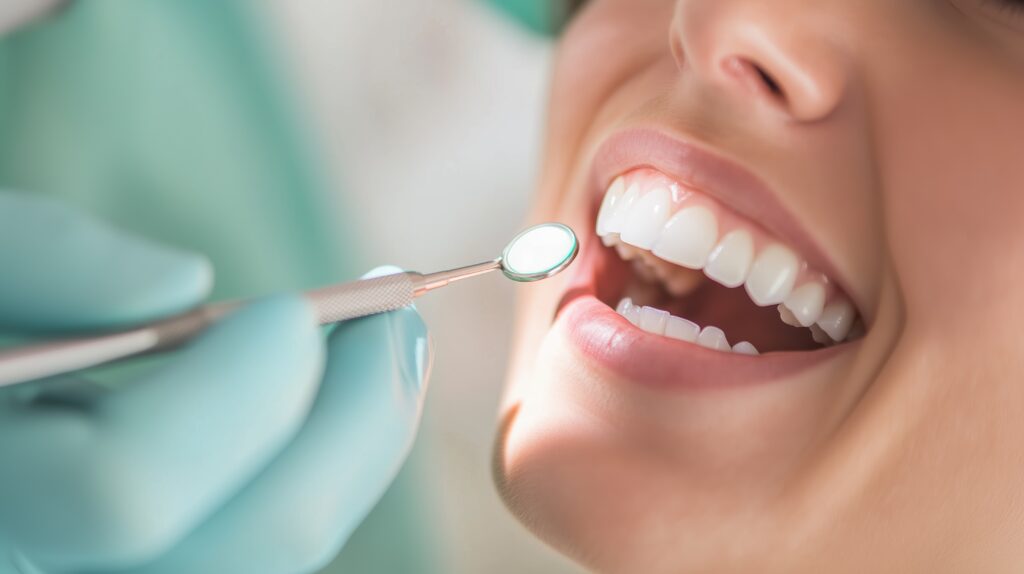
For many patients, routine dental cleanings are something they schedule twice a year without giving much thought to what actually happens during the appointment. While the visit may feel simple on the surface, professional dental cleanings play a critical role in preventive care and long-term oral health.
At Hartman Dentistry, we believe that understanding your care makes dental visits more comfortable and more effective. In this article, we walk you through what happens during a routine dental cleaning, why each step matters, and how general dentistry focuses on prevention rather than just treatment.
Why Routine Dental Cleanings Matter in General Dentistry
Routine dental cleanings are a cornerstone of general dentistry. Even with excellent brushing and flossing habits at home, plaque and bacteria naturally build up in areas that are difficult to reach. Over time, plaque hardens into tartar, which cannot be removed with a toothbrush alone.
Preventing Cavities and Tooth Decay
One of the biggest benefits of routine dental cleanings is cavity prevention. Plaque contains harmful bacteria that produce acids, which slowly wear down tooth enamel. Even with consistent brushing, plaque can remain in tight spaces between teeth and along the gumline. Professional dental cleanings remove this buildup before it has a chance to cause permanent damage, significantly reducing your risk of tooth decay.
Reducing the Risk of Gum Disease
Gum disease often begins with subtle symptoms such as redness, swelling, or bleeding when brushing. During a routine cleaning, tartar is removed from around the gums, helping reduce inflammation and stop gingivitis from progressing into more advanced periodontal disease. Consistent cleanings are one of the most effective preventive tools in general dentistry for maintaining healthy gums.
Detecting Oral Health Issues Early
Routine dental visits allow dentists to spot potential problems early, when they are easier and less costly to treat. Small cavities, early gum disease, and changes in oral tissues are often discovered during cleanings before patients feel discomfort. Early detection plays a key role in preserving both oral health and overall wellness.
Maintaining a Cleaner, Healthier Smile
Beyond health benefits, dental cleanings help keep your smile looking its best. Polishing removes surface stains from food, beverages, and everyday wear, leaving teeth smoother and brighter. Patients often notice their teeth feel cleaner and fresher immediately after their appointment.
Before the Cleaning Begins
Your appointment usually begins with a brief conversation and review of your medical and dental history. This step is especially important if you have experienced changes in your health, started new medications, or noticed sensitivity or discomfort.
A dental hygienist will ask if you have specific concerns such as bleeding gums or tooth pain so the cleaning can be tailored to your needs.
Step-by-Step Dental Cleaning Process
Oral Examination and Gum Health Check
The hygienist performs a visual exam using a small mirror to check for inflammation, decay, or other concerns. Gum health is carefully evaluated since early gum disease often has no obvious symptoms.
Plaque and Tartar Removal
Using specialized tools, plaque and tartar are removed from around the teeth and along the gumline. Scraping sounds are normal and simply indicate buildup being cleared away.
Professional Teeth Polishing
Teeth are polished with a professional-grade paste and electric brush to remove surface stains and smooth enamel.
Professional Flossing
Each tooth is flossed to remove remaining debris and to identify areas that may need extra attention at home.
Rinsing and Final Evaluation
You rinse to clear away residue, and the dentist completes a final exam and discusses any findings.
Fluoride Treatment
Fluoride may be applied to strengthen enamel and help protect against cavities.
What a Dental Cleaning Feels Like
Most patients find routine cleanings comfortable. You may notice mild pressure during scaling or temporary sensitivity if gums are inflamed, but these sensations are short-lived.
How Long a Routine Dental Cleaning Takes
Most appointments last between 30 and 60 minutes depending on buildup, gum health, and whether X-rays are needed.
Aftercare Tips for Long-Lasting Results
Daily Brushing and Flossing
Maintaining a consistent at-home routine is essential after a dental cleaning. Brushing twice a day with fluoride toothpaste and flossing daily helps control plaque buildup between visits. Your hygienist may also recommend specific tools or techniques based on your individual needs.
Smart Dietary Choices
What you eat and drink has a direct impact on oral health. Reducing sugary snacks, acidic beverages, and frequent snacking can help prevent plaque growth. Drinking water regularly and choosing tooth-friendly foods supports the results of your professional dental cleaning.
Staying on Schedule
Keeping up with recommended six-month cleanings allows your dental team to manage plaque before it becomes excessive. Patients who stay on schedule often experience quicker appointments, healthier gums, and fewer dental issues over time.
When a Routine Cleaning Needs Extra Care
If signs of gum disease are found, a deeper cleaning such as scaling and root planing may be recommended. Early detection helps prevent more extensive treatment.
Final Thoughts
Routine dental cleanings are a key part of preventive general dentistry. They protect your teeth, gums, and overall oral health while helping you avoid more complex dental issues in the future.
FAQs
How often should I get a dental cleaning?
Most patients benefit from cleanings every six months, though some may need more frequent visits.
Do dental cleanings hurt?
They are generally painless, with only mild temporary sensitivity in some cases.
Can dental cleanings remove stains?
They remove surface stains, while deeper discoloration may require whitening.
Are cleanings necessary if I brush and floss daily?
Yes. Tartar cannot be removed at home and requires professional care.
What is the difference between a routine cleaning and a deep cleaning?
Routine cleanings address plaque above the gums, while deep cleanings treat buildup below the gumline.