

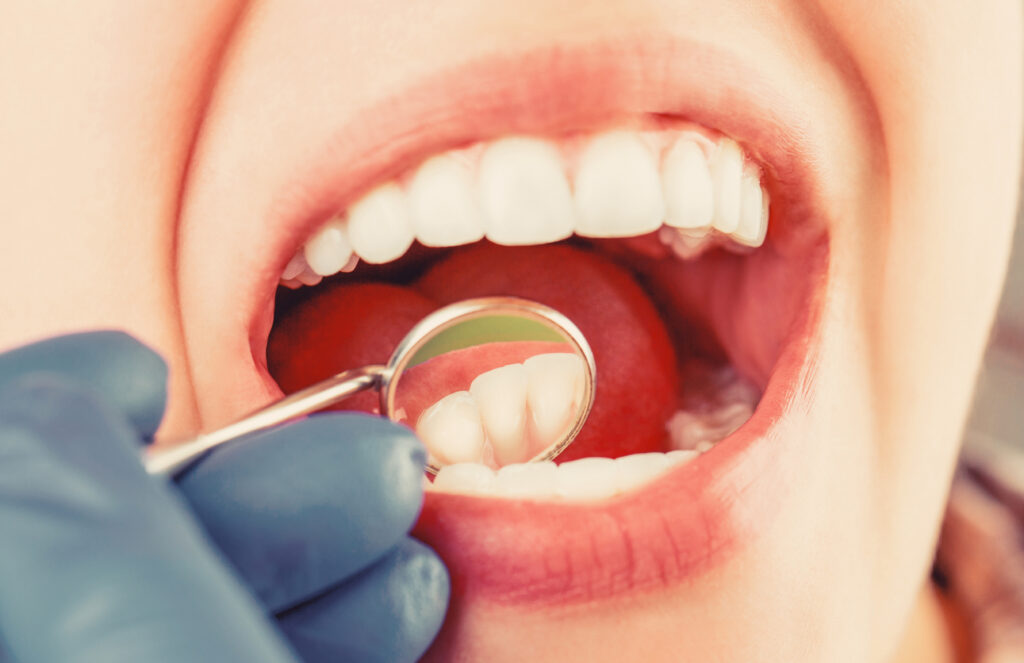
When teeth are damaged, decayed, or missing, it affects far more than appearance. Everyday activities like chewing, speaking, and smiling comfortably can become challenging. This is where restorative dentistry plays an essential role. A general dentist uses restorative treatments to rebuild damaged teeth, treat cavities, and restore comfort while protecting long-term oral health.
At its core, restorative dentistry focuses on repairing what has been compromised. The goal is to bring teeth back to proper function and help patients feel comfortable again. Whether it is a small cavity or a more complex dental issue, restorative care supports healthy, functional smiles.
What Restorative Dentistry Means in General Dental Care
Restorative dentistry includes dental procedures that repair damaged teeth or replace missing ones. While cosmetic dentistry focuses mainly on appearance, restorative dental care is centered on function, comfort, and oral health stability.
General dentists provide restorative dentistry as part of routine dental care. This includes diagnosing dental issues early, treating cavities before they worsen, and recommending restorations that protect tooth structure. Preserving natural teeth whenever possible is always a priority.
Why Restoring Dental Function Matters for Everyday Life
Teeth play an important role in daily life. Proper dental function supports chewing, speaking clearly, and maintaining balanced bite alignment. When a tooth is damaged or missing, nearby teeth often shift or absorb extra pressure, which can lead to further problems.
Cavities, cracked teeth, or worn enamel can also cause sensitivity or pain. Over time, untreated dental issues may result in infection, gum disease, or tooth loss. Restorative dentistry helps prevent these outcomes by restoring balance and function early.
Common Dental Problems Restorative Dentistry Treats
Restorative dental care addresses many oral health concerns. Tooth decay that leads to cavities is one of the most common issues treated by general dentists. Cracked or fractured teeth caused by injury or grinding are also frequent problems.
Missing teeth can significantly affect chewing efficiency and bite alignment. Older or failing restorations, such as broken fillings or worn crowns, may also require replacement to prevent further damage. Restorative dentistry focuses on correcting these problems and maintaining oral health.
Restorative Dentistry Procedures Used by General Dentists
General dentists offer a variety of restorative solutions based on the condition of the teeth and the patient’s needs. Each treatment is chosen to restore function while prioritizing patient comfort.
Dental Fillings for Decayed or Damaged Teeth
Dental fillings are commonly used to treat cavities caused by tooth decay. They restore the tooth’s structure while sealing out bacteria and preventing further damage.
Modern filling materials are designed to look natural and function effectively. Treating cavities early with fillings helps preserve natural teeth and reduces the need for more extensive dental work later.
Dental Crowns to Protect and Strengthen Teeth
When a tooth is weakened by decay, cracks, or previous restorations, a crown may be recommended. Dental crowns cover the entire tooth, restoring its shape, strength, and durability.
Crowns allow patients to chew comfortably again while protecting the tooth from further damage. They are often used following root canal treatment or when a cavity affects a large portion of the tooth.
Dental Bridges and Dentures for Missing Teeth
Missing teeth can disrupt bite alignment and make chewing difficult. Dental bridges and dentures are restorative solutions designed to replace missing teeth and restore oral function.
A dental bridge fills the space left by missing teeth, while dentures replace several missing teeth. Both options improve comfort, speech, and the ability to eat confidently.
Dental Implants as a Long-Term Restorative Solution
Dental implants are a durable option for replacing missing teeth. They replace both the tooth and its root, which helps maintain jawbone health and stability.
For patients who qualify, implants offer a natural feel and function. They allow individuals to eat, speak, and smile without worrying about movement or discomfort.
How Restorative Dentistry Improves Comfort and Oral Health
Restorative dentistry improves more than the appearance of teeth. Properly restored teeth reduce sensitivity, eliminate pain caused by decay or fractures, and distribute bite forces evenly.
By restoring damaged or missing teeth, general dentists help prevent future oral health issues. Balanced bite alignment reduces stress on surrounding teeth and lowers the risk of additional wear or damage.
The Role of a General Dentist in Personalized Restorative Care
Every patient has unique dental needs, which is why restorative dentistry is highly personalized. A general dentist begins with a thorough exam to identify cavities, damage, or signs of wear.
Based on these findings, a customized treatment plan is created. Patient comfort and long-term oral health are always central to the decision-making process. Clear communication helps patients feel informed and confident in their care.
When to See a General Dentist for Restorative Treatment
Some dental problems develop slowly and are easy to overlook. Tooth sensitivity, pain when chewing, visible cracks, or dark spots may indicate cavities or damage.
Broken fillings, loose crowns, or missing teeth are also signs that restorative care may be needed. Early treatment often prevents more complex procedures later.
Long-Term Benefits of Restorative Dentistry
Restorative dentistry provides long-lasting benefits that improve daily life. Patients often experience better comfort, improved chewing ability, and increased confidence in their smiles.
By addressing cavities, restoring crowns, and replacing missing teeth, restorative care supports long-term oral health and helps prevent future dental problems.
Final Thoughts: Restoring Comfort Starts with the Right Dental Care
Restorative dentistry is an essential part of maintaining a healthy, functional smile. From treating cavities to placing crowns and replacing missing teeth, general dentists help patients regain comfort and protect oral health.
With personalized care and modern restorative solutions, patients can enjoy stronger teeth, improved function, and lasting peace of mind through the right dental care approach.
FAQs About Restorative Dentistry
What is restorative dentistry used for?
Restorative dentistry is used to repair cavities, damaged teeth, and replace missing teeth to restore function and comfort.
Are dental crowns considered restorative dentistry?
Yes, crowns are a common restorative treatment used to strengthen and protect damaged teeth.
How long do restorative dental treatments last?
With proper care and regular dental visits, restorations such as fillings and crowns can last many years.
Does restorative dentistry help with chewing pain?
Yes, restoring damaged or decayed teeth often relieves pain and improves chewing comfort.
Can a general dentist perform restorative procedures?
Yes. General dentists are trained to provide a wide range of restorative dentistry treatments as part of comprehensive dental care.