

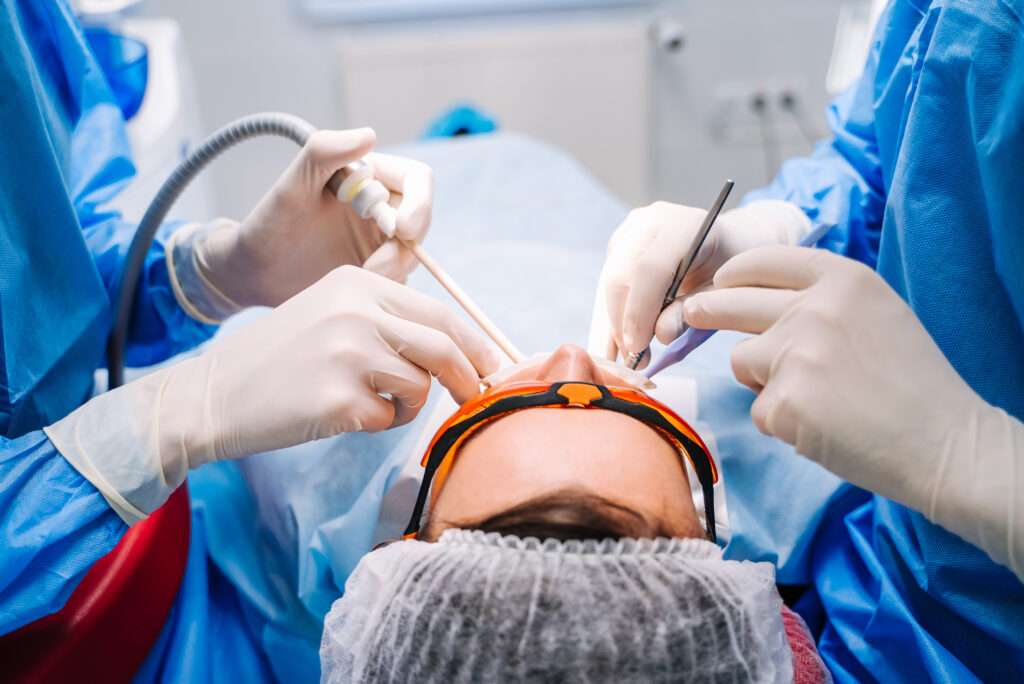
For many patients, the words “dental surgery” can trigger anxiety or uncertainty. It is completely normal to feel that way, especially if you are not sure what a procedure involves or what recovery looks like. The good news is that modern dentistry has come a long way. Today’s dental surgeries are far more safe, precise, and comfortable than ever before.
At Hartman Dentistry, we believe informed patients make confident decisions. Understanding why a dental surgery is recommended, how it is performed, and what modern technology brings to the table can help ease concerns and support long-term oral health.
In this guide, we explain common dental surgeries, what makes a procedure surgical, and what patients should know about modern treatment options and recovery.
Introduction to Dental Surgery in Modern Dentistry
Dental surgery refers to a range of procedures used to treat oral disease, restore function, or protect overall dental health when non-surgical care falls short. While the term sounds intimidating, many dental surgeries are routine and performed safely every single day.
Advances in diagnostic imaging, anesthesia, and minimally invasive techniques have transformed the patient experience. Procedures that once required extended recovery can now often be completed efficiently with predictable healing and minimal discomfort.
What Makes a Dental Procedure Surgical?
Not all dental treatments are considered surgical. Cleanings, fillings, and crowns typically fall under preventive or restorative care. A procedure becomes surgical when it involves incisions in the gums, treatment below the gum line, or interaction with bone or connective tissue.
Dental surgeries are commonly recommended when infection has spread, a tooth cannot be saved, structural support is needed for tooth replacement, or gum disease has progressed beyond conservative treatment.
Most Common Dental Surgeries Patients Should Know About
Tooth Extractions (Simple and Surgical)
Tooth extractions are one of the most common dental surgeries. Simple extractions are performed when a tooth is visible and easy to access. Surgical extractions are required for teeth that are broken, impacted, or trapped beneath the gums, such as wisdom teeth.
Extractions may be necessary due to severe decay, infection, overcrowding, or trauma. With modern anesthesia and gentle techniques, most patients find the experience far more manageable than expected.
Dental Implants
Dental implant surgery is a reliable and long-lasting solution for replacing missing teeth. The procedure involves placing a titanium post into the jawbone to support a natural-looking crown.
Bone Grafting
When bone loss has occurred, bone grafting may be recommended before implant placement. Modern grafting materials allow the jawbone to regenerate naturally, improving implant stability and long-term success.
Root Canal Therapy
Root canal therapy removes infected tissue from inside a tooth to relieve pain and prevent further damage. Modern root canals are efficient, effective, and focused on preserving the natural tooth.
Corrective and Reconstructive Dental Procedures
Some dental surgeries are performed to correct bite issues, repair oral trauma, or prepare the mouth for orthodontic treatment. These procedures improve function, comfort, and long-term oral stability, and in many cases also enhance appearance.
Modern Technology That Improves Dental Surgery Outcomes
Technology has significantly improved the safety and comfort of dental surgeries. Digital impressions, 3D imaging, laser dentistry, and minimally invasive tools allow for precise treatment planning and reduced trauma to surrounding tissue.
Sedation options also make dental surgery more accessible for patients with anxiety. Care is tailored to individual comfort levels, helping patients feel relaxed and supported throughout the procedure.
What to Expect Before, During, and After Dental Surgery
Before surgery, patients receive a thorough evaluation, including imaging and medical history review. This allows the dental team to customize the treatment plan.
During surgery, local anesthesia or sedation ensures comfort. Many procedures are completed faster than patients expect.
After dental surgery, proper aftercare is essential. This may include short-term dietary changes, pain management, and follow-up visits to monitor healing and prevent complications.
Understanding Risks, Recovery, and Success Rates
While all dental surgeries carry some risk, complications are uncommon with modern techniques. Mild swelling, soreness, or sensitivity is normal and usually temporary.
Following post-operative instructions closely plays a major role in recovery. Good oral hygiene, avoiding smoking, and attending follow-up appointments help ensure the best outcome.
How to Prepare for Dental Surgery as a Patient
Preparation helps reduce anxiety and improve recovery. Patients should discuss medications, medical conditions, and expectations with their dentist ahead of time.
Knowing what the procedure involves and how healing will progress allows patients to approach dental surgery with confidence rather than fear.
Frequently Asked Questions About Dental Surgeries
Are dental surgeries painful?
Most dental surgeries involve little to no pain during the procedure due to anesthesia or sedation. Any post-operative discomfort is usually mild and temporary.
How long does recovery take after dental surgery?
Recovery time depends on the procedure, but many patients resume normal activities within a few days. More involved surgeries may require additional healing time.
Is dental surgery in Newport News, VA safe?
Yes. Dental surgeries are very safe when performed using modern technology and proper treatment planning.
Can dental surgery prevent future problems?
Many dental surgeries prevent infections, bone loss, and further damage, helping protect long-term oral health.
How do I know if I need dental surgery?
A comprehensive exam and diagnostic imaging allow your dentist to determine whether surgery is necessary and discuss all available options.