

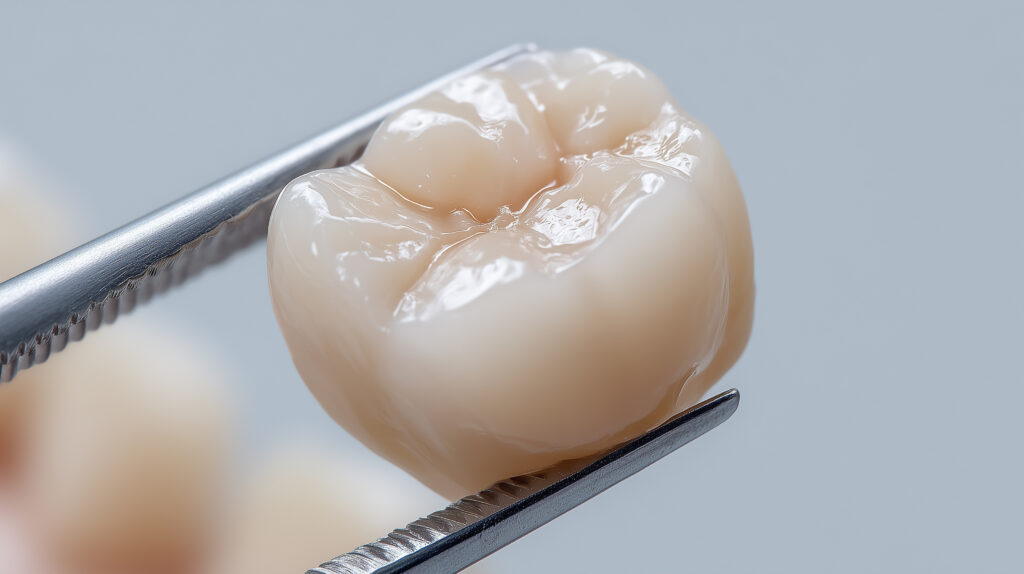
When a tooth becomes damaged or develops a cavity, many patients immediately worry about losing it. Fortunately, modern restorative dentistry focuses on preserving natural teeth whenever possible. Dentists carefully evaluate several factors before recommending treatment, and in many cases, damaged teeth can be restored rather than removed.
Understanding how dentists assess a tooth’s condition can help patients feel more confident about their treatment options and the steps taken to protect their oral health.
Why Dentists Always Try to Save Natural Teeth First
In most cases, dentists prioritize saving a natural tooth. Natural teeth function better for chewing, help maintain jawbone strength, and preserve the natural alignment of your smile. Losing a tooth can sometimes lead to shifting teeth, bite issues, and additional dental problems over time.
Restorative dentistry offers several treatments designed to repair damage and strengthen weakened teeth. Procedures such as dental fillings, crowns, and root canal therapy allow dentists to restore function while keeping the original tooth structure intact.
How Dentists Examine a Damaged Tooth
Before recommending treatment, dentists perform a thorough evaluation to determine the severity of the problem. This examination typically includes several steps.
First, the dentist performs a visual examination of the tooth and surrounding gums. They look for signs of cavities, cracks, enamel wear, or visible damage. The color and texture of the tooth can also provide clues about decay or infection.
Next, dental X-rays are often taken to see what is happening beneath the surface. X-rays allow dentists to detect hidden tooth decay, infections inside the tooth pulp, and damage to the supporting bone. These images are essential for identifying issues that cannot be seen during a basic exam.
Dentists may also check the stability of the tooth, evaluate gum health, and assess whether nearby teeth are affected. All of these factors help determine whether the tooth can be restored.
Key Factors Dentists Consider When Deciding Treatment
Every tooth is unique, so dentists evaluate several important factors before recommending restorative treatment or extraction.
Severity of Tooth Decay or Cavities
One of the most common reasons for dental treatment is tooth decay. When cavities are caught early, they can usually be repaired with a simple dental filling.
Damage to the Tooth Structure
A cracked, chipped, or worn tooth can often be repaired if enough healthy tooth structure remains. Dentists assess whether the tooth can support a restoration such as a crown or bonding material.
Infection or Pulp Damage
Inside every tooth is a soft tissue called the pulp, which contains nerves and blood vessels. If bacteria reach this area, it can cause infection and significant pain.
In many cases, dentists can save the tooth with root canal treatment, which removes the infected pulp while preserving the outer tooth structure. Afterward, a crown is often placed to strengthen the treated tooth.
Condition of the Supporting Bone and Gums
Healthy gums and bone are essential for supporting teeth. If advanced gum disease or bone loss is present, it may affect whether the tooth can be successfully restored.
Restorative Dentistry Options That Can Save a Tooth
Thanks to advances in dental technology, many damaged teeth can be restored successfully.
Dental Fillings for Cavities
When cavities are small or moderate in size, dentists typically remove the decayed portion of the tooth and place a dental filling. This restoration seals the tooth and prevents further decay while maintaining the natural structure.
Dental Crowns for Structural Damage
A dental crown is often used when a tooth has significant damage or weakness. The crown acts as a protective cap that covers the entire tooth, restoring strength, shape, and function.
Root Canal Treatment for Infected Teeth
If infection reaches the pulp, root canal therapy may be necessary. During this procedure, the dentist removes infected tissue, cleans the inside of the tooth, and seals it to prevent further infection.
When a Tooth Cannot Be Saved
Despite the effectiveness of restorative dentistry, there are situations where saving a tooth may not be possible.
For example, a tooth that is severely fractured below the gumline may not be structurally stable enough for restoration. Similarly, extensive bone loss from advanced gum disease can prevent the tooth from remaining securely in place.
In cases of severe infection that has spread beyond the tooth, extraction may be the safest option to protect overall oral health. When this happens, dentists can discuss replacement options such as dental implants or bridges.
Why Early Treatment Makes Tooth Preservation Easier
The earlier a dental problem is detected, the easier it usually is to treat. Small cavities can often be repaired quickly with minimal intervention, while untreated decay can lead to infections or major structural damage.
Regular dental checkups allow dentists to detect problems early and recommend preventive or restorative treatments before they become more complex.
Final Thoughts: Protecting Your Natural Smile
Dentists use careful evaluation and modern diagnostic tools to determine whether a tooth can be saved. By examining decay, structural damage, infection, and gum health, they can recommend the most appropriate restorative dentistry treatment.
In many cases, procedures such as fillings, crowns, and root canals allow patients to keep their natural teeth for many years. Seeking treatment early and maintaining regular dental care greatly increases the chances of preserving a healthy, functional smile.
FAQs
How do dentists know if a cavity is too severe?
Dentists evaluate cavities using visual exams and dental X-rays. If decay has spread deeply into the tooth or affected the pulp, more advanced treatments like crowns or root canal therapy may be required.
Can a severely damaged tooth still be restored?
Yes, many severely damaged teeth can still be restored with treatments such as dental crowns or root canals. The key factor is whether enough healthy tooth structure remains to support the restoration.
Is saving a natural tooth always better than extraction?
In most cases, preserving a natural tooth is preferable because it maintains normal chewing function, jawbone health, and proper alignment of surrounding teeth.