

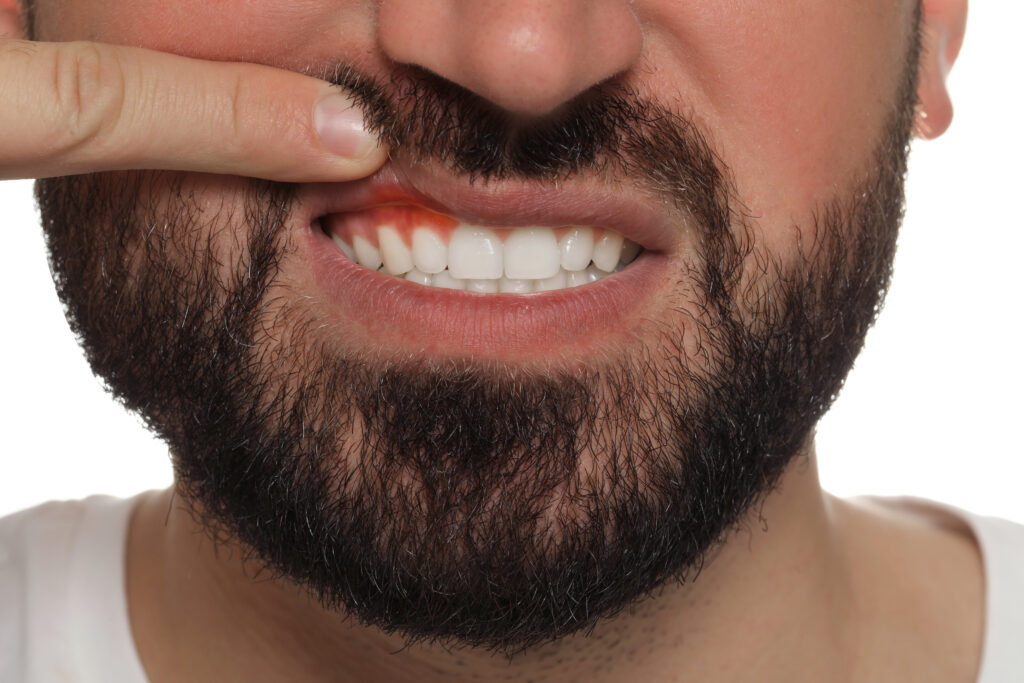
Gum disease is one of the most common oral health conditions affecting adults, yet many people don’t realize they have it until significant damage has already occurred. Also known as periodontal disease, gum disease can range from mild inflammation to severe infection that threatens the health of your gums, teeth, and supporting bone structure.
The good news is that with proper care and early intervention, gum disease can often be prevented or successfully managed. Understanding the symptoms, causes, and available gum disease treatment options is the first step toward protecting your smile.
What Is Gum Disease?
Gum disease is an infection of the tissues that support your teeth. It typically begins with a buildup of plaque, a sticky film of bacteria that forms on teeth throughout the day. When plaque isn’t removed through regular brushing and flossing, it can harden into tartar, leading to gum inflammation.
The earliest stage of gum disease is called gingivitis. At this point, the gums may become red, swollen, and prone to bleeding. If left untreated, gingivitis can progress into periodontal disease, a more serious condition that can damage the bone and tissues that hold teeth in place.
Early Warning Signs You Should Never Ignore
One of the challenges of gum disease is that symptoms can develop gradually. Many people dismiss the early signs until the condition becomes more severe.
Common symptoms include:
- Bleeding gums when brushing or flossing
- Red, swollen, or tender gums
- Persistent bad breath
- Receding gums that make teeth appear longer
- Increased tooth sensitivity
- Loose or shifting teeth
- Pain while chewing
If you notice any of these warning signs, scheduling a dental evaluation as soon as possible can help prevent further complications.
Common Causes and Risk Factors
While poor oral hygiene is a leading cause of gum disease, several other factors can increase your risk.
Plaque and tartar buildup create an environment where harmful bacteria thrive. Smoking and tobacco use significantly increase the likelihood of developing periodontal disease while making treatment less effective. Certain health conditions, such as diabetes, can also make individuals more susceptible to gum infections.
Other risk factors include:
- Inconsistent brushing and flossing habits
- Hormonal changes
- Family history of gum disease
- Chronic stress
- Certain medications that reduce saliva production
Understanding these risks can help you take proactive steps to protect your oral health.
How to Prevent Gum Disease Before It Starts
Prevention is always easier and more affordable than treatment. Maintaining a consistent oral hygiene routine is one of the most effective ways to keep your gums healthy.
Brush your teeth twice daily using fluoride toothpaste and floss at least once a day to remove plaque from between teeth and along the gumline. Regular professional dental cleanings are equally important because they remove tartar that cannot be eliminated with brushing alone.
Healthy lifestyle choices can also make a significant difference. Eating a balanced diet, staying hydrated, and avoiding tobacco products support strong gums and reduce inflammation throughout the body.
Most importantly, don’t skip routine dental checkups. Early detection allows dental professionals to identify and address potential problems before they become serious.
Why Early Treatment Matters
Ignoring gum disease can have serious consequences. As the infection progresses, it can lead to gum recession, bone loss, and eventually tooth loss. Advanced periodontal disease may also require more extensive and costly treatment.
Early diagnosis and intervention help preserve your natural teeth, improve oral health, and reduce the risk of long-term complications. Taking action at the first sign of symptoms can make a significant difference in treatment outcomes.
Final Thoughts
Gum disease is a common but preventable condition that should never be ignored. By recognizing the warning signs, maintaining good oral hygiene habits, and seeking professional care when needed, you can protect your smile for years to come.
If you’re experiencing symptoms of gum disease or are concerned about your risk of periodontal disease, schedule a visit with Hartman Dentistry. It’s the best way to safeguard your oral health and explore the most effective treatment options available.
FAQs
1. Can gum disease be reversed?
Yes. The earliest stage of gum disease, gingivitis, can often be reversed with professional cleanings and improved oral hygiene habits. More advanced periodontal disease can be managed, but damage may not be fully reversible.
2. How do I know if I need gum disease treatment?
Common signs include bleeding gums, persistent bad breath, gum recession, swollen gums, and loose teeth. A dental examination can determine whether treatment is necessary.
3. Is gum disease contagious?
The bacteria associated with gum disease can be transferred through saliva, but developing the disease depends on factors such as oral hygiene, immune response, and overall health.