

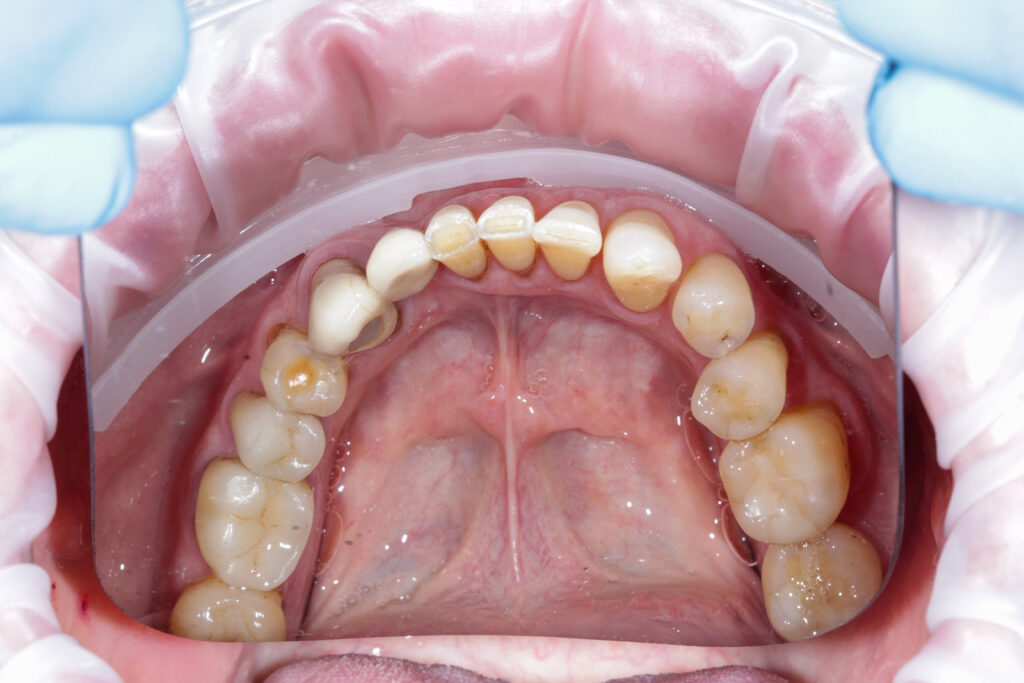
Healthy gums do more than frame your smile. They help hold your teeth securely in place and protect the tissues that support your teeth. When gum disease develops, however, it can gradually damage these structures without causing obvious discomfort at first. That is why recognizing the warning signs and seeking professional care early can make a meaningful difference.
If you are looking for periodontal treatment in Newport News, understanding what gum disease is and how it can be managed is an important first step.
Why Gum Health Matters More Than You May Think
Gum disease typically begins when plaque and bacteria accumulate around the gumline. In its early stage, known as gingivitis, the gums may become red, swollen, or prone to bleeding. Without appropriate care, the condition can progress to periodontitis, a more advanced form of periodontal disease that can affect the tissues and bone supporting the teeth.
The CDC notes that common signs of periodontal disease include swollen or bleeding gums, sensitive or loose teeth, painful chewing, and gums that have pulled away from the teeth.
The good news is that gum disease can often be managed effectively when it is identified and treated appropriately.
Signs You May Need Periodontal Treatment
Gum disease does not always cause significant pain, so it is easy to overlook. Pay attention to changes such as bleeding when brushing or flossing, persistent bad breath, tender or swollen gums, gum recession, tooth sensitivity, or changes in how your teeth fit together.
You may also notice that your teeth feel loose or that your gums appear to be pulling away from the teeth. These symptoms deserve professional attention rather than simply being treated as a normal part of getting older.
A dental evaluation can help determine whether you have gingivitis, periodontitis, or another issue affecting your gum health.
What to Expect During a Periodontal Evaluation
Effective gum disease treatment starts with understanding the condition of your gums. During an evaluation, your dental team may examine the gum tissue, look for inflammation or recession, measure periodontal pockets, and use dental X-rays when appropriate to evaluate the supporting bone.
This information helps determine the extent of the disease and which treatment approach is most appropriate. Not every patient needs the same type of care, so treatment should be based on your individual oral health needs.
Periodontal Treatment Options That Help Control Gum Disease
For patients with gum disease, treatment may focus on removing plaque and tartar from areas that are difficult to clean at home. Depending on the severity of the condition, this may include professional periodontal cleanings or scaling and root planing, often referred to as a deep cleaning.
Scaling and root planing cleans below the gumline and smooths contaminated root surfaces so the gums have a better opportunity to heal. In some situations, antimicrobial medications or additional periodontal procedures may also be recommended.
The goal is not simply to clean the teeth. Effective periodontal care focuses on controlling infection and inflammation while protecting the tissues that support your natural teeth. The CDC identifies deep cleaning below the gums, medications, and, in some cases, surgery among periodontal disease treatment options.
Keeping Gum Disease From Coming Back
Professional treatment is only part of maintaining healthy gums. Daily brushing and flossing help control the plaque and bacteria that contribute to gum disease. Regular dental visits are also important because your gums can change even when you do not notice symptoms.
Tobacco use is another important consideration. According to the CDC, smoking and tobacco use can increase the risk of gum disease.
If you have already experienced periodontal disease, following your recommended maintenance schedule can help keep your gums healthier over time.
Choosing Periodontal Treatment in Newport News, VA
Gum disease is treatable, but delaying care can allow the condition to become more difficult to manage. Whether you have noticed bleeding gums, recession, persistent bad breath, or other changes, a professional evaluation can provide clarity about what is happening and what treatment may help.
At Hartman Dentistry, periodontal care can be an important part of protecting your gums, supporting your natural teeth, and maintaining your long-term oral health. If you are concerned about gum disease, schedule an evaluation to discuss your symptoms and treatment options.
Frequently Asked Questions
1. Can gum disease go away on its own?
Mild gum inflammation may improve with better oral hygiene, but established periodontal disease generally requires professional evaluation and treatment. Delaying care can allow the condition to progress.
2. Is bleeding while flossing always a sign of gum disease?
Bleeding can be associated with gum inflammation, particularly if it happens regularly. It is worth discussing persistent bleeding with your dentist rather than assuming it is normal.
3. How long does periodontal treatment take?
Treatment time depends on the severity of gum disease and the type of care required. Your dental team can recommend an appropriate treatment schedule after evaluating your gums.