

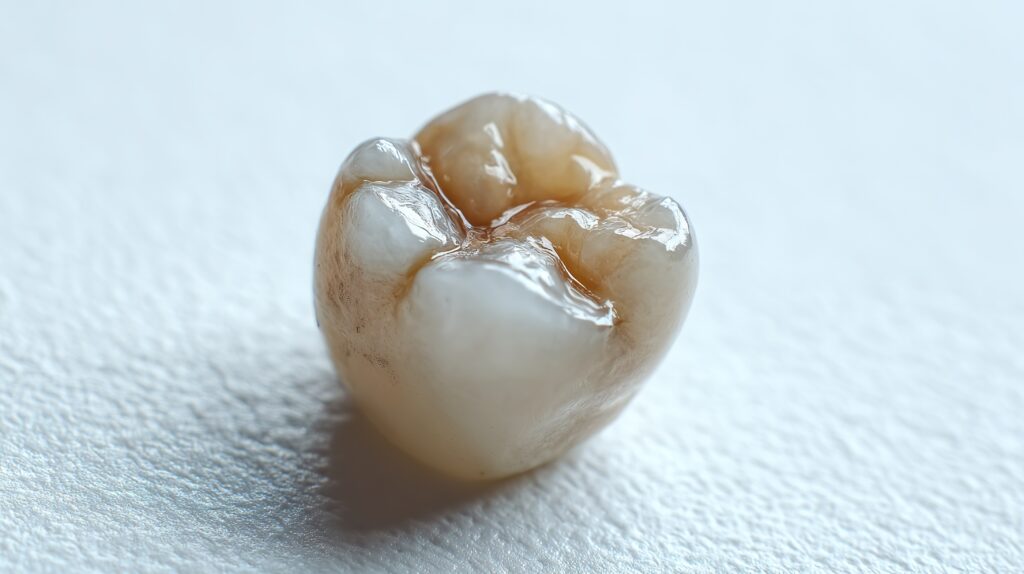
When a tooth becomes damaged by decay, fractures, or wear, one of the first questions patients ask is whether they need a filling or a crown. While both treatments are designed to restore your tooth, they serve different purposes depending on the extent of the damage.
Understanding the difference between dental crowns and fillings can help you feel more confident about your treatment plan. At Hartman Dentistry, we believe patients should know why a specific restoration is recommended and how it supports long-term oral health.
How Dentists Decide Between a Filling and a Crown
Choosing between a filling and a crown isn’t simply about the size of a cavity. Dentists evaluate several factors before recommending the best restoration.
Amount of Healthy Tooth Remaining
The most important consideration is how much natural tooth structure is left. If the tooth is still strong after removing decay, a filling is usually sufficient.
However, when much of the tooth has been lost, placing another filling may leave it vulnerable to breaking. In these situations, a crown offers better protection.
Tooth Strength
Even if decay has been removed, the remaining tooth must withstand daily biting and chewing forces. Back teeth experience significant pressure every day, making strength a critical factor.
If a weakened tooth is likely to crack under pressure, a crown helps reinforce it before further damage occurs.
Location of the Tooth
The location of the damaged tooth also influences treatment.
Front teeth generally experience less chewing force, making fillings appropriate for many smaller restorations. Molars and premolars, on the other hand, often benefit from crowns because they absorb much greater pressure during eating.
Previous Dental Work
A tooth that already contains several large fillings becomes weaker over time. Rather than repeatedly replacing larger fillings, dentists may recommend a crown to provide lasting support.
Long-Term Protection
Dentists don’t only treat today’s problem, they also consider the future health of the tooth.
If there’s a high risk of the tooth cracking or requiring more extensive treatment later, choosing a crown now may help preserve the tooth for many years.
Filling vs Crown: Which Lasts Longer?
When comparing filling vs crown, longevity depends on the size of the restoration, oral hygiene habits, and everyday wear.
Composite fillings typically last several years before needing replacement. Dental crowns generally last much longer because they protect the entire tooth from stress and further damage.
Regardless of which restoration you receive, maintaining good oral hygiene, attending regular dental checkups, and avoiding habits like chewing ice can significantly extend its lifespan.
Can a Filling Become a Crown Later?
Yes. Many patients receive fillings early in life, but as teeth age or additional decay develops, those fillings may eventually become too large to support the remaining tooth.
When that happens, replacing the filling with a crown can strengthen the tooth and help prevent fractures that could otherwise require extraction.
Choosing the Right Tooth Restoration Option
There is no one-size-fits-all solution for damaged teeth. The best tooth restoration options depend on the amount of healthy tooth remaining, the location of the tooth, your bite, and your long-term oral health goals.
An experienced dentist will carefully evaluate X-rays, examine the tooth, and discuss your treatment options before making a recommendation. The goal is always to preserve your natural tooth whenever possible while providing a restoration that is durable, comfortable, and aesthetically pleasing.
Whether you need a simple filling or a full dental crown, receiving treatment early often prevents more complex dental problems in the future. If you’re experiencing tooth pain, sensitivity, or suspect you may have a cavity, scheduling a dental examination is the best way to determine the right restoration for your smile.
Frequently Asked Questions
1. Is getting a crown more painful than getting a filling?
Both procedures are performed using local anesthesia, so you should remain comfortable throughout treatment. A crown may involve slightly more preparation, but modern techniques make the experience similar to receiving a filling.
2. Can a tooth with a crack always be repaired with a filling?
Not always. Small surface cracks may be restored with a filling, but deeper cracks often require a crown to hold the tooth together and reduce the risk of further fracture.
3. Are crowns only used on back teeth?
No. While crowns are common on molars because of heavy chewing forces, they are also used on front teeth to restore strength, improve appearance, or protect teeth after injury.