

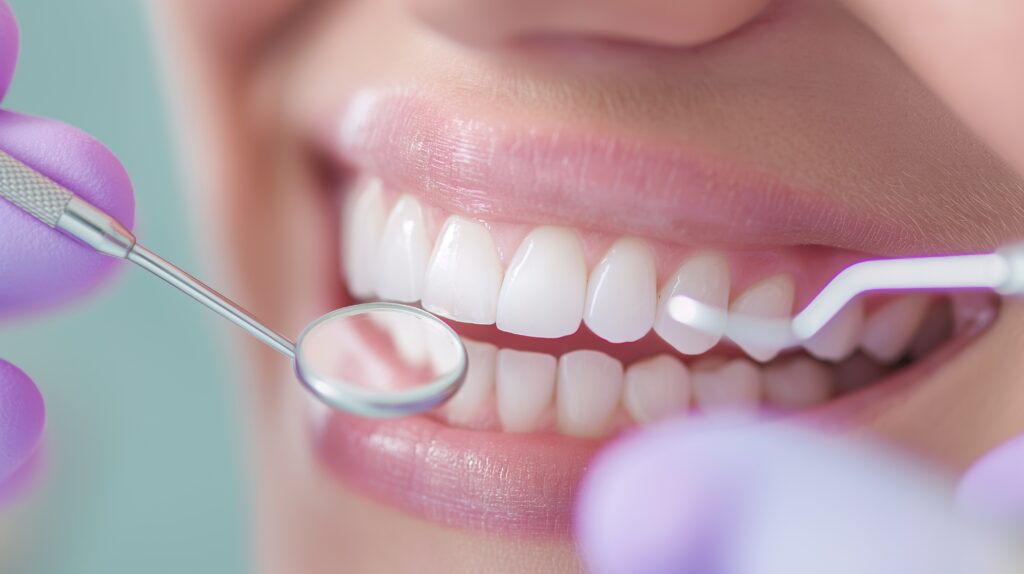
A confident smile can make a lasting impression, and cosmetic dentistry plays a major role in helping patients achieve that goal. However, while these treatments can dramatically improve appearance, they are not a solution for every dental concern.
In this guide, we’ll walk through what cosmetic dentistry can realistically fix, where its limitations lie, and how it fits into a complete oral health strategy.
The Role of Cosmetic Dentistry
Cosmetic dentistry focuses on enhancing the appearance of your teeth, gums, and overall smile. Unlike restorative dentistry, which prioritizes function and health, cosmetic procedures are designed to address visible dental imperfections.
That said, the line between cosmetic and restorative care often overlaps. Many treatments improve both aesthetics and function, especially when part of a personalized treatment plan. The key is recognizing that cosmetic dentistry is primarily about smile enhancement, not treating underlying disease.
Common Smile Concerns Cosmetic Dentistry Can Improve
Cosmetic dentistry is highly effective for a wide range of visible issues that affect confidence in your smile.
One of the most common concerns is tooth discoloration. Stains from food, beverages, or aging can dull your smile, but professional whitening treatments can significantly brighten enamel.
It is also ideal for fixing minor chips, cracks, and uneven edges. These small imperfections can make teeth look worn or damaged, but solutions like bonding or veneers can restore a smooth, natural appearance.
For patients dealing with gaps between teeth, cosmetic procedures can close spaces without the need for lengthy orthodontic work in mild cases. Similarly, slight misalignment can often be corrected with clear aligners, offering a discreet alternative to traditional braces.
Finally, cosmetic dentistry can improve the look of worn-down teeth, helping restore symmetry and balance to your smile.
Popular Cosmetic Dentistry Treatments Explained
There are several proven treatments used to address aesthetic concerns, each tailored to specific needs.
Teeth whitening is one of the simplest and most popular options, offering fast and noticeable results for stained or discolored teeth.
Dental veneers are thin, custom-made shells that cover the front surface of teeth. They are ideal for correcting multiple issues at once, including discoloration, minor misalignment, and irregular shapes.
Dental bonding uses a tooth-colored resin to repair chips, cracks, or gaps. It is a minimally invasive and cost-effective option for small corrections.
Clear aligners, such as Invisalign, gradually shift teeth into better alignment. They are especially useful for patients with mild to moderate spacing or crowding.
Tooth contouring reshapes the enamel slightly to improve symmetry, often used in combination with other treatments for a refined finish.
Each of these options contributes to long-lasting results when performed as part of a well-planned cosmetic strategy.
What Cosmetic Dentistry Can’t Fix
Despite its versatility, cosmetic dentistry has clear limitations, and understanding them is essential for setting realistic expectations.
It cannot treat serious tooth decay or infections. These conditions require restorative procedures such as fillings, root canals, or crowns before any cosmetic work can begin.
Similarly, advanced gum disease must be addressed through periodontal treatment. Ignoring gum health can compromise both the success and longevity of cosmetic results.
Cosmetic procedures are also not designed for major bite or jaw alignment issues. These cases often require orthodontics or even surgical intervention.
When it comes to missing teeth, cosmetic treatments alone are not sufficient. Solutions like dental implants or bridges, which are considered restorative, are needed to rebuild function before improving aesthetics.
Finally, significant structural damage to a tooth may require restorative care rather than purely cosmetic enhancement.
When Cosmetic and Restorative Dentistry Work Together
In many cases, the best results come from combining cosmetic and restorative approaches. This is especially true for patients seeking a complete smile transformation.
A smile makeover often involves multiple procedures, carefully planned to improve both appearance and function. For example, treating decay or gum disease first creates a healthy foundation, allowing cosmetic enhancements to last longer and perform better.
This integrated approach ensures that improvements are not only visually appealing but also sustainable from an oral health perspective.
How to Know If You’re a Good Candidate
Not everyone is immediately ready for cosmetic dentistry, and a proper evaluation is essential.
A qualified dentist will assess your overall oral health, including the condition of your teeth, gums, and underlying structures. Any existing issues must be addressed before cosmetic treatments can begin.
Equally important are realistic expectations. Cosmetic dentistry can significantly enhance your smile, but it works within the limits of your natural tooth structure.
A professional consultation helps determine the most suitable options based on your goals, ensuring a personalized care plan that aligns with both aesthetics and long-term dental health.
FAQs
1. Can cosmetic dentistry look natural?
Yes, modern techniques focus on creating natural-looking results that match your facial features, tooth shape, and color for a seamless appearance.
2. Does insurance cover cosmetic dentistry?
In most cases, purely cosmetic treatments are not covered by insurance. However, procedures with functional benefits may receive partial coverage.
3. How do I maintain results after cosmetic treatment?
Good oral hygiene, regular dental visits, and avoiding staining habits like smoking or excessive coffee consumption can help maintain your results longer.