

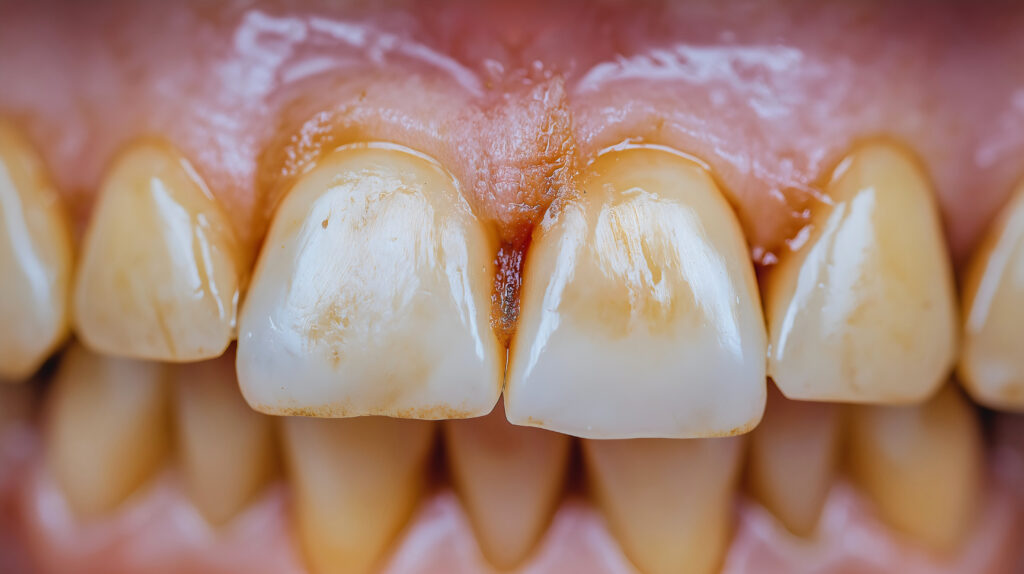
Plaque is one of the most common and most misunderstood threats to oral health. Many people assume that as long as they brush their teeth, plaque is not a concern. In reality, plaque buildup can quietly affect teeth and gums, even for those who feel they are doing everything right. For Newport News residents, knowing how plaque forms, why it matters, and how to manage it is essential for maintaining long-term oral health.
This guide breaks down what plaque is, how it affects your mouth over time, and the habits that support healthier teeth and gums at every stage of life.
What Dental Plaque Is and Why It Matters?
Dental plaque is a sticky, colorless film made up of bacteria, food particles, and saliva. It forms on teeth throughout the day, especially after eating or drinking. When plaque is not removed regularly, it hardens into tartar, which can only be removed during a professional dental cleaning.
What makes plaque concerning is the bacteria it contains. These bacteria produce acids that attack tooth enamel and irritate the gums. Over time, this process can lead to cavities, gum inflammation, and more advanced oral health issues. Plaque does not always cause immediate pain, which is why many people underestimate its impact until noticeable symptoms appear.
How Plaque Affects Oral Health Over Time?
When plaque stays on teeth too long, it begins to affect more than just the surface of the enamel. The acids released by bacteria weaken teeth, increasing the risk of decay and sensitivity. Along the gumline, plaque can trigger inflammation that causes gums to become red, swollen, and prone to bleeding. These are early signs of gingivitis.
If plaque buildup continues unchecked, gingivitis can progress into periodontitis, a more serious form of gum disease. At this stage, gums may pull away from the teeth, allowing bacteria to reach deeper tissues and even bone. This is where consistent periodontal care becomes critical, as advanced gum disease is one of the leading causes of adult tooth loss.
Daily Oral Care Habits That Help Control Plaque
Good oral hygiene starts with daily habits that consistently disrupt plaque formation. Brushing twice a day with fluoride toothpaste helps remove plaque from the surfaces of teeth. Using gentle, circular motions and brushing along the gumline is just as important as brushing the teeth themselves.
Flossing plays a major role in plaque removal between teeth where a toothbrush cannot reach. Even people who brush thoroughly can miss these areas, allowing bacteria buildup to continue unnoticed. Mouthwash can be a helpful addition, particularly antimicrobial formulas, but it works best when used alongside brushing and flossing, not as a replacement.
The Role of Diet in Plaque Buildup
Diet has a direct effect on how quickly plaque forms. Foods high in sugar and refined carbohydrates feed plaque-causing bacteria, increasing acid production in the mouth. Sugary drinks, frequent snacking, and sticky foods can all contribute to faster plaque buildup.
On the other hand, certain foods support oral health. Crunchy fruits and vegetables help stimulate saliva production, which naturally washes away bacteria. Dairy products provide calcium and phosphates that strengthen enamel. Drinking plenty of water throughout the day also helps rinse away food particles and neutralize acids.
Professional Dental Care and Plaque Prevention
Even with excellent home care, plaque can still accumulate in hard-to-reach areas. That is why regular dental checkups and cleanings are essential. During a professional cleaning, a dental hygienist removes plaque and tartar buildup that brushing and flossing cannot eliminate.
Most Newport News residents benefit from visiting the dentist every six months, though some may need more frequent visits depending on their oral health. Cleanings also allow dental professionals to monitor gum health, identify early signs of disease, and recommend preventive strategies before problems worsen. At Hartman Dentistry, we often emphasize preventive visits as a foundation for long-term oral wellness.
Local Factors That Can Impact Oral Health in Newport News,VA 23606
Local conditions can influence oral health more than people realize. Fluoride levels in community water supplies play a role in strengthening enamel and reducing cavity risk. Lifestyle habits common in coastal communities, such as higher consumption of acidic beverages or activities that increase dehydration, may also affect oral health.
Access to routine dental care and education tailored to the community helps residents stay ahead of plaque-related issues. Working with a local dental provider ensures guidance that considers both environmental and lifestyle factors unique to the Newport News area.
Simple Plaque Prevention Tips for All Ages
Plaque prevention looks different depending on age. Children benefit from early education on brushing and flossing, along with supervision to ensure proper technique. Teens may need reminders about consistent oral care, especially with increased snacking and sugary drinks.
Adults should focus on maintaining daily routines and staying alert to signs of gum irritation or sensitivity. For seniors, managing plaque is especially important, as gum recession and dry mouth can make teeth more vulnerable. Across all ages, small daily habits like brushing before bed and limiting sugary snacks can significantly reduce plaque buildup over time.
Frequently Asked Questions
How does plaque differ from tartar?
Plaque is a soft, sticky film that forms daily on teeth, while tartar is hardened plaque that develops when plaque is not removed. Tartar requires professional dental cleaning to remove.
Can plaque cause gum disease even if I do not have cavities?
Yes. Plaque along the gumline can lead to gum inflammation and gum disease without causing cavities. Gum health depends heavily on consistent plaque control.
Is brushing once a day enough to prevent plaque?
Brushing once a day helps, but twice-daily brushing combined with flossing is far more effective at controlling plaque and reducing bacteria buildup.
How does periodontal care help with plaque-related problems?
Periodontal care focuses on preventing and treating gum disease by removing plaque and bacteria below the gumline and supporting healthy gum tissue.
Do I need professional cleanings if I brush and floss daily?
Yes. Even excellent home care cannot remove all plaque and tartar. Professional cleanings help maintain oral health and catch issues early.